
Picking a broker can feel like shopping blindfolded, and that is where fbs forex gets a closer look. For readers sourcing brokerage options at scale, the real issue is simple: you need fair pricing, clear account choices, and room to grow without getting nickel-and-dimed.
Bad spreads can eat into profits fast. Hidden costs, clunky setup, and fuzzy account differences can turn a promising deal into a money pit. No one wants to find out too late that the fine print calls the shots.
This article cuts straight to the chase. It looks at fees versus value, account types, risk-control tools, and how FBS may help ease the squeeze when high spreads start cutting into returns.
One key question sits at the center: does this broker fit your business, or is it all sizzle and no steak?
Think of it like picking a long-term supply partner, not just opening another account. The goal is to help you spot what matters, skip the fluff, and see if FBS makes sense for steady trading and business growth.
Fees vs. Value
Looks at spreads, swap costs, slippage, and whether pricing still makes sense when trading volume grows.
Account Fit
Covers account setup, instruments, execution quality, and compliance checks that matter before choosing a broker.
Risk Control
Highlights fund safety, stop tools, market analysis methods, and the practical steps to start trading with more discipline.
FBS Forex Fees vs. Trading Value
Bid-Ask Spread and Pip Value
When a Currency pair moves, the gap between Bid price and Ask price becomes the Spread, and that cost hits every entry. A tiny Pip looks harmless, yet a stack of Pips across high trading flow can chew through margins fast. For wholesale-minded buyers, watching Market price behavior on liquid pairs helps show if pricing stays fair during busy sessions or gets a bit nasty when pressure kicks in.
Leverage Ratio and Lot Size
A good setup should fit different order sizes, not force one lane.
Leverage shapes how much Margin you need.
A Standard lot suits bigger flow.
A Mini lot gives more control.
A Micro lot helps test pricing.
For brokerage buyers, matching Lot options to expected Trading volume keeps risk cleaner and scaling less messy.
Swap Rates and Slippage
This is where hidden costs can sneak up on you.
Swap or Rollover matters when positions stay open overnight.
The Overnight fee often reflects the Interest rate differential between currencies.
Slippage shows the gap between expected and Execution price.
During sharp Market volatility, that gap can widen fast.
So, if pricing looks sweet on entry but slips hard later, the real value may not be so sweet after all.
Segregated Accounts and Negative Balance Protection
Cheap trading means very little if fund safety feels shaky. Segregated accounts keep Client funds apart from company operating money, which supports Regulatory compliance and stronger Investor protection. Add Negative balance protection, and buyers get a buffer against wild market swings pushing losses beyond deposits. For firms comparing brokers, this combo speaks to daily Risk management and long-term Broker solvency. In plain English: if the market goes crazy, your cash should not be left hanging.
FBS Forex Account Types Explained

Major Currency Pairs and Exotic Pairs for Volume Buyers
For volume buyers, account fit starts with the currency market mix.
Major currency pairs usually bring tighter pricing and steadier flow.
Exotic currency pairs can open fresh chances in emerging market currencies, but spreads may get jumpy.
Check your usual FX pairs.
Match them to turnover goals.
Keep risk in line with your forex trading pace.
Big buyers usually want majors for consistency and exotics for selective upside.
Spot Metals, Energy Spot Prices, and Commodity CFDs Access
Some buyers want more than plain forex trading, and that’s fair game. A flexible account should cover:
Spot metals for gold trading and silver trading
Energy spot prices like crude oil and natural gas
Commodity CFDs for broader CFD trading exposure
That mix helps desks spread risk instead of going all-in on one corner. If your wholesale flow includes metals, energy, and macro plays, broader access can be a real sweet spot.
Market Order, Limit Order, and Instant Execution by Account Setup
Order handling can make or break the daily grind.
A practical setup should support clean trade execution with the right order types.
Short checklist:
Market order for fast entry
Limit order for price control
Instant execution when timing matters
Pending orders for planned trades
Good account settings should fit how your team trades, not force weird workarounds. If execution feels clunky, that’s a red flag.

Know Your Customer, Anti-Money Laundering, and Financial Compliance Checks
No one loves paperwork, but this stuff keeps the shop clean. Know Your Customer and Anti-Money Laundering checks are part of solid financial compliance.
Here’s the usual flow:
Identity verification
Basic business review
Due diligence on ownership or funding
Ongoing regulatory checks for fraud prevention
For wholesale buyers, a broker that handles compliance smoothly saves time and avoids drama later.
Equity Balance, Margin Call, and Leverage Ratio Considerations
This is where account choice gets real.
Equity balance shows what’s actually backing open trades.
Free margin and used margin show room to move.
A high leverage ratio can boost reach, but it can also speed up a margin call.
Watch the stop-out level, track account equity, and keep risk management tight. For bigger order flow, breathing room matters. Cute numbers look nice, but survival matters more.
FBS Forex Tools for Risk Control
Stop Loss, Take Profit, and Trailing Stop for Brokerage Risk Rules
Stop Loss cuts downside before a bad move turns ugly.
Take Profit locks gains without second-guessing.
Trailing Stop follows price and protects upside.
For brokerage risk rules, mix these order types with clear position sizing. Keep your exit strategy boring and consistent. That is how trade protection stays real when the market gets jumpy.

Moving Average, Bollinger Bands, and Average True Range for Exposure Control
Use Moving Average for clean trend analysis.
Check Bollinger Bands to spot stretched volatility.
Read Average True Range for live risk assessment.
Match all three to cap market exposure before size goes too big.
This combo of technical indicators helps teams avoid chasing noise and keeps entries tied to actual price behavior.
Relative Strength Index, MACD Oscillator, and Stochastic Oscillator Entry Filters
Relative Strength Index flags overbought and oversold zones.
MACD Oscillator tracks momentum shifts and possible divergence.
Stochastic Oscillator sharpens entry signals when price gets twitchy.
Used together, these filters stop rushed entries. For wholesale-focused brokerage flows, that means cleaner timing, less emotional clicking, and better odds of stepping in when momentum actually backs the trade.
Fibonacci Retracement, Candlestick Patterns, and Price Action Trading for Timing
Fibonacci Retracement helps map pullback zones. Candlestick Patterns show when buyers or sellers are stepping up. Price Action keeps the read simple by focusing on raw movement, support resistance, and familiar chart patterns.
For market timing, this trio helps spot a reversal early or stay with a continuation when trend pressure is still alive. It is a handy way to avoid jumping in blind.

Fundamental Analysis with Non-Farm Payrolls, Consumer Price Index, and Interest Rate Decisions
Non-Farm Payrolls can light a fire under USD pairs.
Consumer Price Index shapes the market’s view on inflation.
Interest Rate Decisions drive repricing around monetary policy.
Good Fundamental Analysis means tracking economic data, employment, and shifting Interest Rates before placing size. If a desk ignores news risk, spreads can widen fast and setups can go sideways in no time.
Gross Domestic Product, Unemployment Rate, Retail Sales Data, and Trade Balance in Sentiment Analysis
Gross Domestic Product shows broad economic health. Unemployment Rate hints at labor stress or strength. Retail Sales gives a feel for spending momentum. Trade Balance can support or weaken currency strength.
Put together in market sentiment work, these signals shape investor confidence. For brokerage buyers, that helps decide where demand looks solid, where risk feels sketchy, and where positioning may already be crowded.
High Spreads Hurting Profits? See How FBS Forex Helps
Bid-Ask Spread Drivers in Major Currency Pairs and Stock Indices
Major Currency Pairs: usually tighter bid-ask spread because liquidity and market depth stay strong.
Exotic Currency Pairs: wider costs when volatility pops off.
Stock indices: spread changes with session opens, fast headlines, and shaky price discovery.
What matters: liquidity, volatility, and timing.
If a brokerage buyer wants steady execution, watching how currency pairs and stock indices behave through the day is a big deal, not just trader talk.
Slippage Risks in Market Order Flow During Non-Farm Payrolls
Non-Farm Payrolls hits.
High volatility kicks the door in.
Market orders chase moving prices.
Slippage and price gaps show up.
Execution risk gets real, real quick.
For news trading, this is where profit can leak. A broker with faster execution and cleaner order handling can help cut nasty fills when the market goes wild after payroll data.
Energy Spot Prices and Commodity CFDs When Volatility Expands
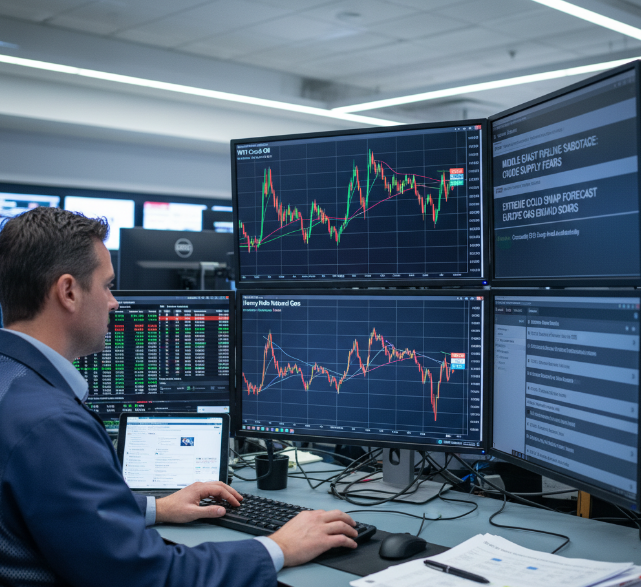
Short bursts. Big moves. Crude oil jumps on supply drama. Natural gas swings on weather chatter. Energy prices react fast, and spot prices can shift before traders blink. That makes Commodity CFDs exciting, but also pricey when market volatility expands. For wholesale brokerage buyers, the key is checking how a platform handles price swings, spread changes, and order fills when crude oil and natural gas start acting feral.
Elliott Wave Theory and Technical Analysis for Spread-Aware Trade Planning
Elliott Wave can map crowd mood. Technical analysis helps time entries. Price action and chart patterns show where spread pressure may hit. Fibonacci retracement is handy when traders want cleaner trade planning near pullbacks. Put together, these tools help teams avoid lazy entries when the bid-ask spread is bloated. For brokerage-focused readers, that means better planning, fewer rushed clicks, and a smarter shot at protecting margins.
Segregated Accounts, Negative Balance Protection, and Broker Trust Signals
Segregated accounts: client funds stay separate from broker money.
Negative balance protection: losses do not snowball past the account balance.
Broker regulation: shows the firm plays by actual rules.
Trust signals: transparency, funding clarity, and visible financial security.
For wholesale buyers, this stuff is not fluff. Strong broker regulation, clean transparency, and safer handling of client funds can make one offer feel solid while another feels sketchy.
3 Steps to Start Trading with FBS
1. Finish FBS registration and account opening
A new Beginner trader usually wants one thing: get in fast without making a dumb mistake. That starts with FBS registration and clean Account opening details.
Use your real name, phone number, and email so your profile matches your payment records.
Keep your ID and address docs ready for review.
Pick the account setup that fits how you want to trade the Forex market, not just the one that sounds flashy.
Check base currency, Lot Size, and available Leverage Ratio before you move on.
Read the basics on Know Your Customer and Anti-Money Laundering rules so nothing catches you off guard later.
A smart start is less about rushing and more about keeping your setup clean. Messy registration can slow down withdrawals, approval, and platform access.
| Item | What you choose | Why it matters | Common rookie slip-up |
|---|---|---|---|
| Personal details | Legal name and active contact info | Helps FBS registration move smoothly | Using nicknames or old emails |
| Account type | Setup tied to your trading style | Affects costs, tools, and order flow | Picking based on hype |
| Base currency | USD, EUR, or other available option | Impacts funding convenience | Ignoring conversion costs |
| Risk settings | Lot Size and Leverage Ratio | Shapes exposure from day one | Going too big too soon |
2. Make your fund deposit and set up the trading platform
Once your profile is ready, the next move is the Fund deposit and Trading platform setup. This is where a lot of new folks get a little too excited and skip the boring stuff. Don’t do that.
Here’s the play:
Add money you can actually afford to risk.
Confirm processing method, timing, and any payment limits.
Install or open the Trading platform and log in with the right server details.
Check charts, spreads, and your Equity Balance before clicking anything.
Set default risk tools like Stop Loss and Take Profit so you are not winging it later.
A small deposit can still teach a lot. You do not need to go big to get real screen time.
| Checkpoint | What to review | Why it helps | Better move |
|---|---|---|---|
| Fund deposit amount | Starting capital | Keeps losses from hitting too hard | Start light |
| Trading platform login | Server, password, account type | Avoids failed access at market open | Test it before live hours |
| Chart setup | Major Currency Pairs or Spot Metals | Keeps focus tight | Watch a few instruments only |
| Risk controls | Stop Loss, Take Profit, Margin Call level | Helps cap damage | Set rules before entry |
3. Place first trade with a tight game plan
Now you are ready to Place first trade. Keep it simple. Your goal is not to look slick. Your goal is to survive, learn the rhythm, and avoid getting smoked on day one.
A clean starter checklist:
Pick one market, like Major Currency Pairs, instead of chasing everything in the Forex market.
Use a Market Order only when you understand current spread conditions.
Set a Stop Loss before the trade goes live.
Add a Take Profit level so emotion does not run the show.
Watch Bid-Ask Spread, Pip Value, and your live Equity Balance.
Stay alert for Slippage around hot news.
A lot of beginners jump into Exotic Pairs too early because the moves look cool. That can get messy fast. Tighter focus usually beats random action.
| Trade item | Example choice | Why it works for a Beginner trader | What to avoid |
|---|---|---|---|
| Instrument | Major Currency Pairs | Usually easier to follow | Jumping between too many assets |
| Entry style | Market Order with a clear level | Fast and simple | Clicking without a plan |
| Protection | Stop Loss and Take Profit | Keeps risk defined | Holding and hoping |
| Position size | Small Lot Size | Limits early damage | Oversizing to chase quick wins |
A few platform habits that save headaches
Keep your watchlist short
Stick with one or two symbols at the start. Too many charts can fry your brain.
Respect the spread
A wider Bid-Ask Spread can eat into small trades fast, especially if your target is tiny.
Know the news clock
Big releases can move price in a hurry. Non-Farm Payrolls, Consumer Price Index, and Interest Rate Decisions can bring sharp swings and Slippage.
Watch your margin
If your trade size is out of line, a Margin Call can show up way sooner than you expect.
A quick Q&A from the desk
Q: What is the biggest mistake new users make during Account opening?
Maya Chen, Fxbee onboarding manager: “People rush the paperwork, then get stuck later. Clean info during FBS registration makes everything smoother.”
Q: What should a Beginner trader do right after a Fund deposit?
Derek Holt, Fxbee platform engineer: “Open the Trading platform, test every button you need, and check your Equity Balance before you even think about your first click.”
Q: What matters most when you Place first trade?
Lena Brooks, Fxbee market analyst: “Keep the size small, use Stop Loss, and don’t trade like you’re trying to be a hero. A calm first trade beats a wild one every time.”
If you want to trade and grow with FBS, keep it to three moves: finish FBS registration, complete Account opening and Fund deposit, then Place first trade on a Trading platform with risk controls already in place. For a Beginner trader, that steady approach gives you a way better shot at learning the Forex market without getting wrecked early.
Getting Started Checklist
Conclusion
Picking a broker can feel a lot like choosing a business partner: the shiny pitch matters less than what shows up when money, timing, and risk are on the line. That is the real takeaway here. fbs forex stands out when the mix of pricing, account options, trading tools, and onboarding fits the way you actually plan to trade and grow.
Wide spreads, confusing account choices, and weak risk controls can eat your lunch fast. The sweet spot is pretty simple: know your costs, pick the right setup, keep your guard up, and do not jump in blind.
Start with a clean registration, fund the account with a level head, and make that first trade with a plan instead of pure guts. Slow and steady is not flashy, but it keeps you out of trouble and gives you a better shot at turning early moves into long-term progress.
References
[FBS Forex Broker Online: Trade and Grow with FBS - https://fbs.com/]
[Forex Trading with FBS — Low Spreads & Fast Execution - https://fbs.com/trading/specs/forex]
[Open a Forex account: Start trading foreign currency with FBS - https://fbs.com/open-forex-account]
[FBS Deposits and Withdrawals - https://fbs.com/deposits-and-withdrawals]
[CPI Home | U.S. Bureau of Labor Statistics - https://www.bls.gov/cpi/]
[Employment Situation Summary | U.S. Bureau of Labor Statistics - https://www.bls.gov/news.release/empsit.nr0.htm]
[Gross Domestic Product | U.S. Bureau of Economic Analysis - https://www.bea.gov/data/gdp/gross-domestic-product]
[Monthly Retail Trade - Sales Report | U.S. Census Bureau - https://www.census.gov/retail/sales.html]
[US Trade in Goods by Country | U.S. Census Bureau - https://www.census.gov/foreign-trade/balance/]
[FATF - https://www.fatf-gafi.org/en/home.html]
[The KYC process explained | SWIFT - https://www.swift.com/risk-and-compliance/know-your-customer-kyc/kyc-process]
FAQ
How do I judge fbs forex fees before opening an account?
Check the Bid-Ask Spread on Major Currency Pairs, look at Swap Rates, Slippage, and Pip Value, see how costs change during news like Non-Farm Payrolls, and make sure the pricing still fits your trade size.
Which FBS account type makes sense for a beginner trader?
A Beginner trader should pick an account that matches budget, Lot Size, and risk comfort. Also check Leverage Ratio, margin rules, and Market Order access before getting started.
Can fbs forex help reduce risk for wholesale brokerage users?
Look for Negative Balance Protection and Segregated Accounts, use tools like Stop Loss and Trailing Stop, check clear Margin Call levels, and make sure good Financial Compliance rules are in place.
What trading instruments should I focus on at the start?
Start with Major Currency Pairs. After that, you can branch into Spot Metals, Commodity CFDs, or Energy Spot Prices once you get used to spread moves and order timing.
Is FBS registration hard for new clients?
FBS registration is usually pretty easy. Keep Account opening details clean and accurate, have documents ready for Know Your Customer and Anti-Money Laundering checks, and good paperwork will save hassle later.
How does fbs forex support technical analysis in daily trading?
You can track tools like Moving Average, Relative Strength Index, Bollinger Bands, and MACD Oscillator. That helps with timing, momentum, and spotting possible turns without making it feel too complicated.
Why do spreads get worse during major economic events?
Big news can shake the market fast. Reports like Consumer Price Index and Interest Rate Decisions often widen the Bid-Ask Spread, Slippage can rise too, and a Market Order may fill at a rougher price.
Should I use fbs forex tools for market analysis or just trade price action?
A lot of traders mix Technical Analysis, Fundamental Analysis, Sentiment Analysis, and Price Action Trading. That gives a better read on charts while keeping an eye on news like Gross Domestic Product.
What should I check before I place my first trade on FBS?
Make sure your Fund deposit is done, test the Trading platform login, check Equity Balance, Lot Size, and Leverage Ratio, and set Stop Loss and Take Profit before you Place first trade.
How can fbs forex account setup affect profit over time?
The setup can shape long-term results. Wider Bid-Ask Spread, heavy Swap Rates, or weak execution can chip away at profits, while the right fit can make trading feel more steady and manageable.