
The ETH USD lot size sounds like a tiny detail—until it smacks your balance sheet. On many retail crypto platforms, traders often discuss ETH/USD in 1 ETH, 0.1 ETH, and 0.01 ETH sizing blocks, but the exact contract or minimum order size depends on the venue’s rules. For brokers and institutional desks, that’s not trivia; that’s exposure, margin strain, and liquidity stress rolled into one sharp number.
Picture it like ordering cargo ships, not coffee cups. Get the size wrong, and you’re either underloaded or sinking at the dock. Precision here means tighter risk control, cleaner execution, and fewer “how did that happen?” moments when volatility kicks the door in.
Rhythmic Quick Answers: ETH USD Lot Size Essentials
Standard & Mini Lots
A common retail convention is 1 ETH for a standard lot, 0.1 ETH for a mini lot, and 0.01 ETH for a micro lot, but exchange specifications still vary.
Leverage & Margin
Higher leverage shrinks capital needs but magnifies drawdowns—know your liquidation thresholds.
Liquidity & Execution
Deep order books reduce slippage on block trades; iceberg orders can help mask large exposures.
Risk Controls
Adjust lot size with volatility spikes, stress-test via Value at Risk, and respect position limits.
Eth Usd Lot Size Specifications Explained

Getting clear on ETH USD lot size keeps your risk in check. When you break down ETH, USD, lot, and size, it’s really about position scale, margin pressure, and trade impact. Let’s keep it real and practical.
Standard lot vs. mini lot in ETH/USD
Understanding ETH USD lot size starts with the lot definition.
Standard
Higher notional size
Larger account swings per $10 move
Commonly treated as 1 ETH as the base unit on some retail platforms
Full contract size exposure in that sizing model
Lot
Trade impact
Mini
Tighter trade scaling
Easier risk adjustment
0.1 ETH per contract in a smaller sizing model
Reduced unit exposure
Lot
Trade control
Quick comparison:
| Type | ETH per Lot | Notional at $3,000 | Risk per $100 Move |
|---|---|---|---|
| Standard | 1 ETH | $3,000 | $100 |
| Mini | 0.1 ETH | $300 | $10 |
| Micro | 0.01 ETH | $30 | $1 |
So when traders mention ETH USD lot size, this is what they mean—how big the contract size really is in dollar terms.
Derivative contract size on leading spot markets
On major spot and derivative venues, the contract specification varies.
Exchange rules
Spot platforms may allow fractional ETH orders
Kraken lists a 0.01 ETH minimum for ETH volume on its standard trade form
Coinbase states that orders are subject to product-specific minimum order size requirements
CME Ether futures are sized at 50 ether per contract, while CME Micro Ether futures are sized at 0.1 ether
Market structure
Spot market = direct asset ownership
Perpetual derivative = synthetic exposure
Specification details
Tick size
Minimum trade size
Funding mechanics
That’s why ETH USD lot size can feel different across each exchange, even if the price chart looks the same.
Minimum margin and leverage requirements for ETH/USD
Your margin requirement depends on the ratio set by the exchange and your account tier.
Capital layer
Initial margin
Maintenance margin
Position control
Higher leverage → lower upfront capital
Lower leverage → steadier risk
Risk math
10× ratio means 10% margin
20× ratio means 5% margin
ETH USD lot size ties directly to this. Bigger position size plus thin margin equals faster drawdown. Simple math, harsh reality. On leveraged venues, liquidation risk is tied to position size, leverage, and maintenance margin, which is why size discipline matters more than the headline leverage number.
How liquidity depth shapes block trade volume
Big block trade orders meet the order book.
Liquidity depth
Slippage
Price shock
Tighter spread
Lower execution impact
Thick market depth
Thin depth
Execution flow
Break volume into chunks
Route across pools
Monitor real-time execution
When ETH USD lot size scales up, depth matters more. Large trade volume in shallow liquidity moves price fast. Deep books absorb size quietly. That’s the game. Kraken’s futures education also notes that traders should consider position size relative to order book depth when entering at market because of potential slippage.
3 Factors Affecting Eth Usd Lot Size
Trading ETH USD lot size isn’t just about picking a number and hoping for the best. Volatility, big-money positioning, and rulebooks all shape how much ETH against USD you should place per trade. Get these wrong, and your ETH USD trade size can spiral fast.

How volatility alters optimal lot sizing
When market dynamics heat up, price fluctuations widen. That directly reshapes your position size.
In calm market conditions
Stable candles
Narrow daily range
Traders may increase ETH USD lot size slightly
In high-volatility spikes
Sudden 3–5% intraday swings
Liquidity gaps
Smaller ETH USD lot size protects risk management rules
Under proper trading strategy, sizing connects to:
Account equity
Stop-loss distance
Acceptable drawdown
Add leverage, and the math changes again. A 1 lot ETH USD position at 10x feels very different from spot exposure. Smart sizing keeps your ETH USD lot size aligned with risk tolerance instead of hype.
Institutional trader capital allocation insights
Large institutional investors don’t guess their ETH USD lot size. Fund managers use structured portfolio management models.
Capital allocation logic
Across crypto and traditional asset classes
Based on volatility correlation
Adjusted for available liquidity
Risk filters
Defined risk appetite
VaR ceilings
Diversified investment strategies
A crypto position size inside a hedge fund rarely exceeds preset portfolio weight. On platforms like Fxbee, retail traders can mirror this logic by tying ETH USD lot size to total account exposure, not emotion.
Regulatory framework and position limit constraints
Rules matter. Financial regulations influence maximum trading limits in ETH USD markets.
Compliance and legal requirements may include:
Reporting thresholds
Margin caps
AML checks
From a market integrity angle:
Position caps reduce concentration risk
Government oversight supports risk mitigation
Some regions enforce stricter trading limits, shaping how large an ETH USD lot size can legally be. Fxbee aligns with these standards, helping traders manage ETH USD lot size within approved boundaries while staying efficient in ETH USD execution.
Hedging Strategies: Eth Usd Lot Size Tips
Trading ETH USD lot size without a hedge feels like driving fast with no brakes. When ETH swings hard, even a small ETH USD lot can shake your balance. Smart traders mix ETH, USD, and calculated lot size planning to stay chill. Below, we break down how to protect capital while keeping your ETH USD lot size efficient and flexible.
Diversification through cross-asset hedging
Managing ETH USD lot size starts with tight portfolio management and clean asset allocation logic:
Core Exposure
Spot ETH
Calculated ETH USD lot
Defined risk per trade
Cross-Asset Overlay
Correlated altcoins for partial diversification
USD index pairs to balance dollar strength
Tokenized commodities for lower market correlation
Risk Control Layer
Targeted hedging strategy
Continuous risk mitigation checks
Rebalancing based on volatility shifts
This cross-asset approach reduces stress when ETH spikes or dumps fast.
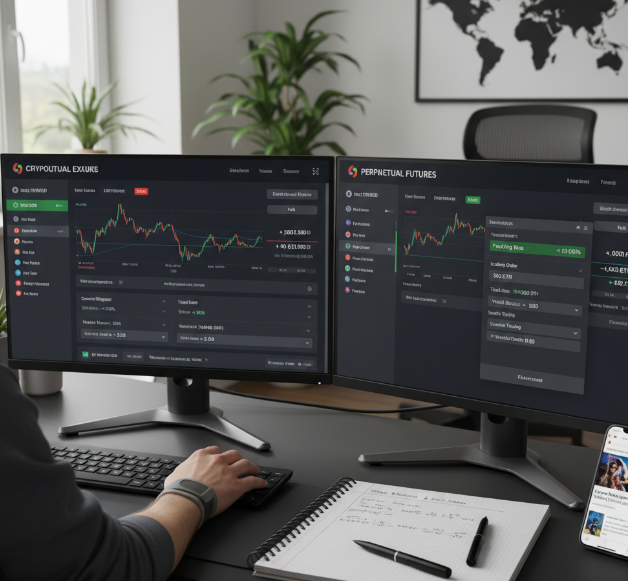
Using perpetual futures to cap slippage
When spot orders move the book too hard, perpetual futures step in.
Hedge the same ETH USD lot size with matching futures contracts.
Monitor funding rates and market liquidity.
Adjust size to improve execution efficiency and reduce price impact.
Inside platforms like Fxbee, traders sync spot ETH USD lot size with perps to improve slippage control. It’s a practical trading mechanism—not fancy, just effective.
Iceberg orders to manage large lot risk exposure
Big ETH USD lot size orders can spook the market.
Use iceberg orders to hide full volume.
Improve order execution through sliced entries.
Lower visible risk exposure.
Behind the scenes:
• Hidden clips reduce market impact
• Better volume management
• Cleaner trading strategy flow
Fxbee supports this style for traders scaling serious ETH USD lot positions. Kraken’s guidance describes iceberg orders as a way to place large limit orders without revealing the full size to the market.
Stress testing hedge ratios with Value at Risk analyses
Strong hedging needs numbers, not vibes.
Build baseline hedge ratios tied to ETH volatility.
Run stress testing under sharp 10–20% swings.
Apply Value at Risk thresholds for daily limits.
Under extreme market volatility, smart risk modeling and tight scenario analysis reveal weak spots early. That’s how you protect total portfolio risk while keeping your ETH USD lot size aligned with real capital strength.
References
FAQ
What does ETH USD lot size mean in cryptocurrency trading?
ETH USD lot size defines how much of the cryptocurrency pair is traded per position in the spot market or a derivative contract. It directly shapes risk exposure and capital allocation.
Standard structure:
1 lot = 1 ETH (digital asset exposure)
0.1 lot = 0.1 ETH
Custom size = flexible, depending on exchange rules
A larger lot amplifies volatility impact and potential drawdown, while a smaller lot offers tighter control over margin and position limits. Institutional traders often align lot size with Value at Risk models and liquidity conditions shown in the order book before sending a market order or limit order.
How do volatility and liquidity influence ETH USD lot size decisions?
When volatility spikes, price swings widen across this major pair and emotional pressure rises, so traders often adjust lot size in stages.
High volatility usually leads traders to reduce lot size to contain risk exposure.
Thin liquidity or weak market depth can increase slippage on large block trades.
Deep liquidity from active liquidity providers generally supports smoother execution.
Algorithmic traders may switch to a VWAP order or TWAP order to reduce execution shock. Hedge funds also monitor volume profile and market sentiment through charting software, adjusting exposure before price gaps turn manageable trades into sharp drawdowns.
How do institutions manage large ETH USD lot sizes under regulation?
Large positions in this cryptocurrency pair require discipline beyond profit targets. Institutions usually manage them through both risk control and execution frameworks.
Risk control layer:
Stress testing under extreme volatility
Value at Risk thresholds
Pre-set position limits
Execution layer:
Iceberg order for discreet entry
Fill or Kill for precision
Coordinated block trade through a trusted liquidity provider
All activity operates inside a regulatory framework shaped by financial authority rules, AML, KYC, and strict reporting requirements. Compliance officers track exposure to prevent market manipulation claims, while custodians safeguard the digital asset. In high-tension markets, this structure helps keep fear from dictating lot size.