
A forex rebate per lot can make trading costs easier to compare, but the label alone does not tell you what you will receive. A quote expressed in pips, a fixed cash amount, and a percentage of spread or commission can describe very different calculations. This guide shows how to translate each format, what to verify before linking an account, and the extra due-diligence steps that matter for U.S. retail traders.

What does “forex rebate per lot” mean?
A forex rebate per lot is a credit that may be paid after a qualifying trade volume is recorded. The provider may earn compensation from a broker or another intermediary and share part of that compensation with the trader. The rebate is normally tied to the account type, instrument, trading volume, and the provider’s terms; it is not a reduction in the market risk of the position.
“Per lot” is a volume reference, not a universal dollar amount. In spot forex, a standard lot is commonly 100,000 units of the base currency, while a mini lot and micro lot are commonly one-tenth and one-hundredth of that size. Brokers can apply different contract specifications, so confirm the definition shown for the exact account and symbol. A rebate can also exclude certain instruments, promotional accounts, hedged volume, or trades below a minimum holding time.
A rebate is best treated as one part of total trading cost. The spread, commission, financing or swap charges, conversion costs, slippage, execution conditions, and eligibility rules can matter more than a headline rebate rate.
Why pips, fixed cash and percentage rebates are not interchangeable
These three formats use different bases. A pip quote is tied to a price increment; a cash quote is tied to a stated volume unit; and a percentage quote is tied to a cost category such as spread or commission. You can compare them only after you know the currency pair, contract size, account currency, spread or commission basis, and whether the quote is for one side or a completed round trip.
| How the rebate is quoted | What it is based on | What to confirm first |
|---|---|---|
| Pips | A stated price increment per eligible lot | Pair, pip value, lot size, account currency, and whether it applies to both sides |
| Fixed cash per lot | A stated cash amount for each eligible lot | Whether “lot” means a standard lot, the instrument’s contract, or another unit; plus settlement currency |
| Percentage | A share of a stated cost, often spread or commission | The exact cost base, whether the percentage is capped, and which costs are excluded |
How pip-based forex rebates work
A pip is usually the fourth decimal place for many major currency pairs and the second decimal place for many Japanese-yen pairs. Some platforms display fractional pips, often called pipettes. A pip-based rebate states a fraction or number of pips that may be credited for each eligible lot.
The general conversion is:
Estimated cash rebate = rebate in pips × pip value for the trade size × eligible lots
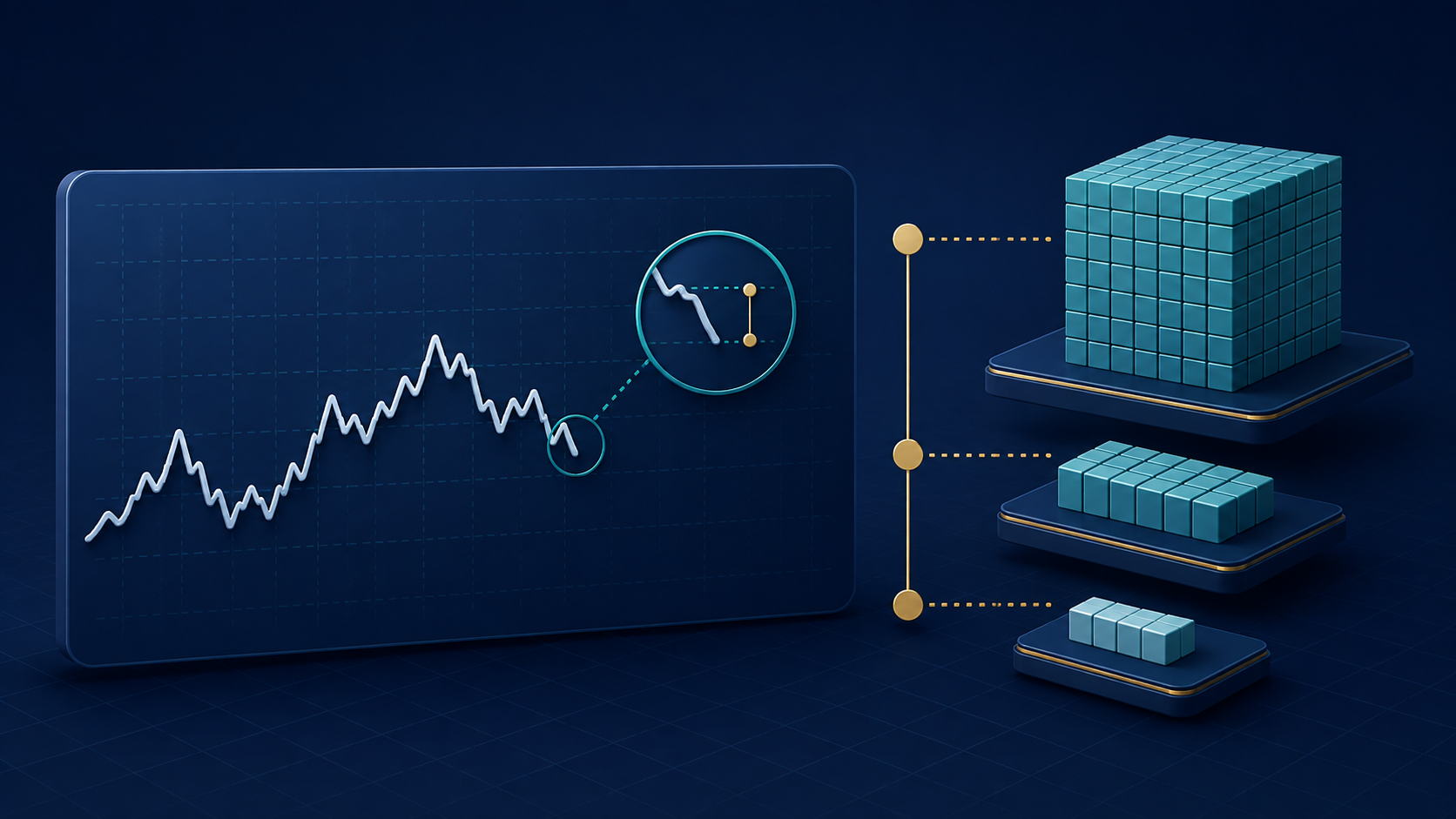
The pip value is not constant across every pair or account currency. For a USD-denominated account trading a pair quoted in U.S. dollars, the arithmetic can be straightforward; for cross pairs or a different account currency, conversion can change the result. That is why a pip quote can look more comparable than it is.
Illustrative pip example
Assume, only for illustration, that an eligible standard-lot trade has a pip value of $10 in the account currency and the rebate is 0.20 pip per lot. The estimated credit would be 0.20 × $10 = $2 for one eligible standard lot. At 0.10 lot, the estimated amount would be $0.20. This example ignores every variable that can change the actual credit: the pair, contract specification, account currency, open-versus-close convention, and program terms.
How fixed cash rebates per lot work
A fixed-cash quote is often the easiest to read: “$X per lot” means the program states a cash amount for qualifying volume. The base formula is:
Estimated cash rebate = stated cash amount per lot × eligible lots
The simplicity can hide important details. A provider may publish a different figure for a standard, raw-spread, ECN, cent, or proprietary account. It may quote forex lots separately from metals, indices, or CFDs. It may also use a maximum rate, a tiered rate, or a rate that changes after a volume threshold. “Up to” is not the same as a rate available on every account.
For example, if a program states an illustrative $2.50 credit per eligible standard lot, 1.60 eligible lots would produce an estimated $4.00 credit. That calculation says nothing about whether the underlying spread or commission is competitive, or whether the account is available to you.
How percentage rebates work
A percentage rebate shares a specified part of a trading cost. The wording is crucial. “20% of commission” and “20% of spread” do not use the same base, and neither necessarily means 20% of every cost paid on the trade.
The general formula is:
Estimated rebate = eligible cost base × stated percentage
Suppose a hypothetical account charges a $7 round-turn commission per standard lot and a rebate program returns 20% of that commission on eligible volume. For 1.60 eligible lots, the eligible commission would be $11.20 and the illustrative rebate would be $2.24. If the percentage applies to only one side, only a portion of the commission, or a different volume unit, the result changes.

How to compare forex rebate offers on the same basis
Start with the trading setup you would actually use, not the largest number shown on a comparison page. Convert each offer to an estimated cash credit for the same pair, account, lot size, trade direction, and time period. Then compare the net cost, including spread and commission, rather than the rebate by itself.
Choose the exact account type and instrument.
Record the stated spread and commission schedule from the broker.
Check whether the rebate is stated per side or round turn.
Convert pips or percentages into an estimated cash amount for the same volume.
Read exclusions: minimum trade duration, scalping policy, hedging treatment, maximum rebate, dormant-account rules, and payout timing.
Compare the final estimated trading cost and the quality of the broker’s regulatory and account disclosures.
FXBee’s broker comparison page displays rebate formats that can differ by broker and account type, including percentage-of-spread and cash-per-lot examples. Treat those listings as a starting point for checking the detailed terms, not as a substitute for the broker’s account documentation.
How forex rebate crediting usually works
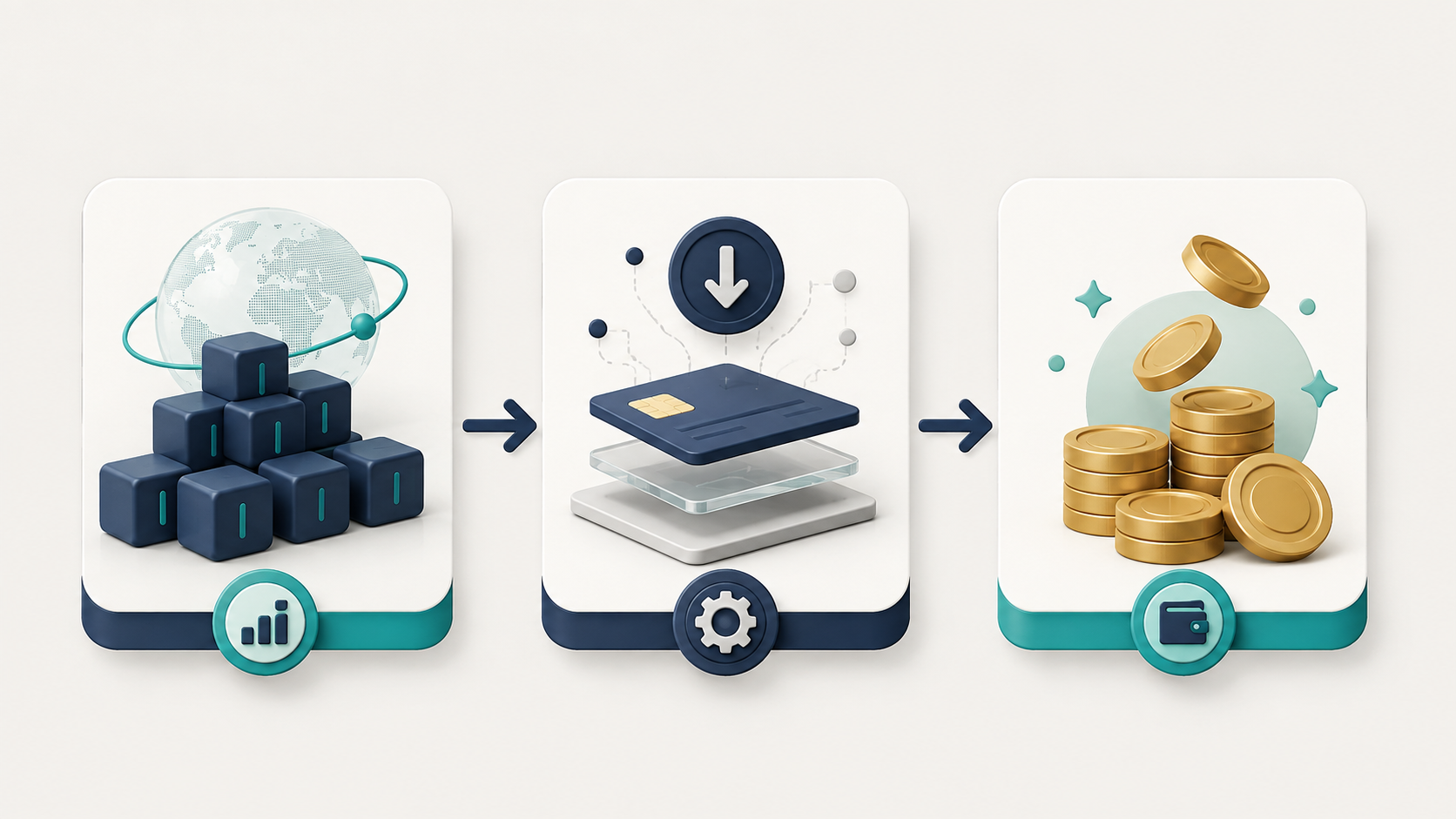
The sequence varies by provider, but a typical process is: choose an eligible broker and account type; register or link the trading account through the program’s prescribed path; trade eligible instruments; wait for the broker’s activity to be recorded; then receive a credit to a wallet, trading account, or another stated destination. Timing can be daily, weekly, monthly, or subject to reconciliation.
Before funding an account, save the current terms and note the account identifier you expect to link. If an account was opened outside the provider’s tracking path, it may not qualify. Do not assume an existing account can be retroactively attached. FXBee’s support page is the appropriate place to verify account-linking and rebate questions for its program; its Terms of Use and Privacy Policy should also be reviewed before registration.
Important checks for U.S. residents
Availability, account types, leverage, and promotional arrangements can differ substantially for U.S. residents. A broker appearing on an international comparison page does not establish that it accepts U.S. retail clients or that a particular rebate arrangement is available in the United States. Confirm that directly with the relevant broker and rebate provider before opening or transferring an account.
The CFTC’s forex customer advisory recommends researching OTC forex dealers before depositing money and checking registration and disciplinary history. The NFA investor resources explain that BASIC contains registration, membership, disciplinary, and financial information for relevant firms and salespeople. These are due-diligence steps, not endorsements of any broker or rebate provider.

The practical takeaway
The useful question is not simply “Which forex rebate per lot is highest?” It is “What is the estimated net trading cost for my exact account, pair, volume, and eligibility status?” Convert the offer to a common cash basis, read the conditions, and complete U.S. registration and availability checks before you commit funds. A transparent calculation and clear terms are more valuable than a large-looking number that cannot be compared.
Forex rebate per lot FAQs
What is a forex rebate per lot?
A forex rebate per lot is a possible credit tied to eligible trading volume. The credit may be quoted in pips, cash per lot, or a percentage of a stated cost. Its actual value depends on the account, instrument, volume definition, and program terms.
Is a rebate paid on every forex trade?
Not necessarily. Programs can exclude account types, instruments, short-duration trades, hedged volume, bonus accounts, or activity that does not follow the required registration and account-linking process. Read the terms for the exact account before trading.
How do I convert a pip rebate to dollars?
Multiply the stated rebate in pips by the pip value for your trade size and then by eligible lots. The pip value can vary with the pair, contract specification, and account currency, so use the broker’s contract details rather than assuming one fixed dollar value.
What does a cash rebate per lot mean?
It states a cash credit for each eligible lot. Confirm whether the reference is a standard lot, a mini lot, or an instrument-specific contract, and whether the published amount is per side or round turn.
What is a percentage-of-spread rebate?
It is a credit calculated from a stated portion of spread cost. It is not automatically a percentage of every trading expense. Verify the spread basis, calculation method, applicable symbols, caps, and exclusions.
Do forex rebates lower the spread?
Usually, a rebate is a later credit rather than a change to the broker’s displayed spread. It can reduce your estimated net cost after the credit is received, but it does not alter the quoted price you see when entering a trade.
Are higher forex rebate rates always better?
No. A larger-looking rate can apply to a more expensive account, a narrower set of instruments, or only a specific volume tier. Compare the estimated net cost, account conditions, eligibility, and regulatory status on the same basis.
Can U.S. residents use any forex rebate program?
No. Eligibility and broker availability depend on the provider, the broker, the account, and applicable rules. U.S. residents should confirm availability directly, check registration and disciplinary information, and read all account and rebate terms before funding an account.
When are forex rebates credited?
Credit timing varies. It may be daily, weekly, monthly, or subject to a reconciliation period. Check the provider’s current settlement schedule, payment destination, minimum withdrawal threshold, and any adjustment policy.
Does a forex rebate make trading safer or profitable?
No. A rebate may reduce part of an eligible trading cost, but it does not protect against price movements, leverage, execution risk, or loss. It should not be treated as a reason to trade more often or take larger positions.