
Already have a trading account and wondering whether you can add a rebate afterward? The short answer is: sometimes—but a forex cashback existing account arrangement depends on the broker, the account’s legal entity and type, the cashback provider’s tracking rules, and your country of residence. Some programs can attach an eligible existing account after review; others require a newly opened account through a referral link. Get a written answer before moving funds or placing a trade for the sake of a rebate.
This guide is educational, not investment, legal, or tax advice. Forex trading is high risk, and a rebate is a trading-cost feature—not a return, a trading edge, or a safeguard against loss.

The short answer: do not assume an existing account can be linked
Cashback programs commonly rely on an introducing-broker, affiliate, or referral relationship. That relationship may need to be attached when the trading account is created. If your account was opened without the required link, the broker or cashback provider may be unable—or unwilling under its terms—to change the attribution later.
There are exceptions. A provider may offer an account-transfer or relinking process, particularly when the account has not traded, was opened recently, or falls within a defined broker program. Approval can be account-specific. A friendly support response is not enough: ask for confirmation that names the broker entity, account number or account label, account type, and the effective date of tracking.
How a forex cashback existing account arrangement usually works
In a typical arrangement, a rebate service receives compensation from a participating broker for eligible activity and shares part of that compensation with the trader. The broker still controls the account agreement, quotes, execution, margin rules, instruments, and client eligibility. A rebate service does not make an unavailable broker available, and it does not resolve broker-level execution, custody, or withdrawal issues.
FXBee publishes educational material on how forex cashback works and broker-level comparison pages. Use those as a research starting point, then match the listed offer to the live terms for the exact account you hold or intend to open.
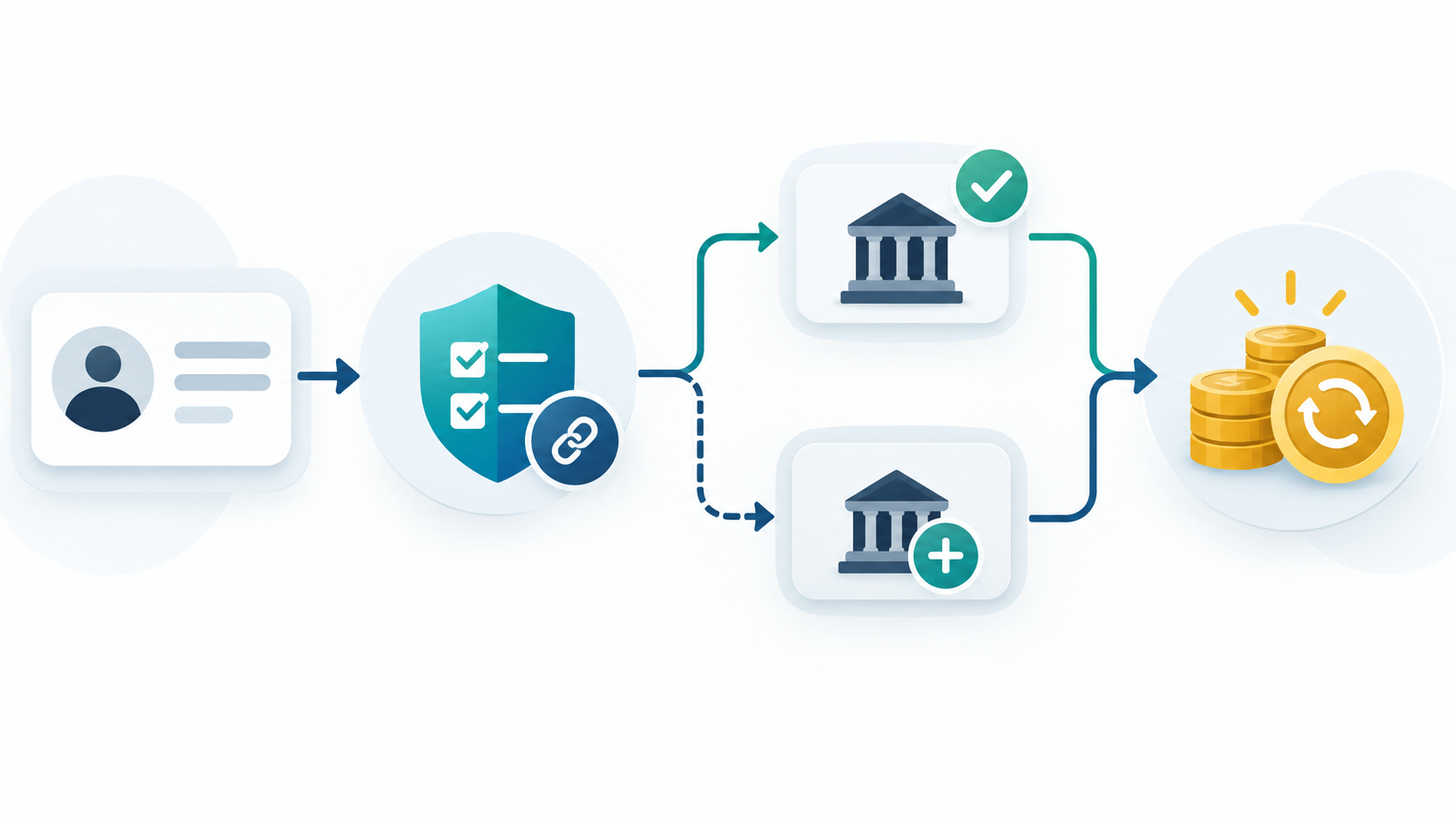
Check these five items before asking to link the account
The legal entity, not only the brand. Find the entity named in your account agreement. A global brand can serve different regions through different entities, each with its own products, rules, and referral arrangements.
Your residence and client category. Ask whether the entity accepts U.S. retail clients for that product and whether the cashback arrangement is available where you live. Do not treat a page visible online as proof of availability.
The exact account configuration. Confirm account type, platform, base currency, instruments, and whether the account is standard, raw-spread, commission-based, managed, copied, demo, or otherwise restricted. Cashback schedules often differ across these details.
The original sign-up and tracking route. Ask whether the account must have been opened through a named link, whether a transfer is allowed, and whether there is a deadline. A new referral link clicked today does not necessarily change an existing account’s attribution.
Written rebate mechanics. Obtain the formula, eligible volume definition, exclusions, reversal policy, payment timing, minimum withdrawal, destination, and any currency-conversion or withdrawal charges.
A practical eligibility checklist to send to support
A short, precise request makes it easier to get an answer you can rely on. Contact the cashback provider and, where appropriate, the broker’s support team with the same information:
the broker’s full legal entity and the country of your residence;
your account number or a redacted identifier, if support advises it is safe to provide;
account type, platform, base currency, and approximate opening date;
whether the account has traded and whether it was opened through another referral;
the instruments you expect to trade; and
a direct question: “Can this existing account be linked to this cashback program, and if approved, from what date and under what rebate schedule?”
Save the reply and the current terms. If the answer says a transfer is possible, confirm whether past trades qualify (often they do not), whether the change is irreversible, and whether any account activity disqualifies it.

Compare total trading cost—not the cashback headline
Cashback is usually a later credit. It does not necessarily change the live spread or commission you see before an order executes. Compare the all-in cost for the instruments, position sizes, trading times, and average holding period you actually use:
The U.S. Securities and Exchange Commission’s investor education material notes that spread and commission structures can be difficult to compare and that transaction costs can materially affect outcomes. Read the agreement closely rather than assuming “commission-free” means cost-free. Investor.gov’s forex overview provides a useful background on these risks.

Extra checks for U.S. residents
For a U.S.-targeted decision, screen the broker entity before comparing rebate rates. The Commodity Futures Trading Commission advises prospective participants to verify registration and disciplinary history before trading. Its registration and background-check resource directs users to the NFA BASIC database for registration, disciplinary, and certain financial information.
Match the exact entity shown in BASIC to the entity in your account agreement and on the broker’s disclosures. Registration is a verification step, not a prediction of outcomes or a guarantee against loss. The CFTC’s forex customer advisory also recommends researching an OTC forex dealer before making an initial deposit or sharing sensitive information.
Be especially cautious if the program promotes leverage, urgency, guaranteed rebates, or an entity name that does not match the agreement. The NFA’s forex regulatory guide describes the U.S. framework for retail forex counterparties and related roles.

When a new account may be the only option
If the answer is no, do not rush to replace a workable account just for a rebate. First compare the full account economics, operational consequences, tax or recordkeeping implications relevant to you, and whether any new account would actually be available and appropriate. Moving accounts can create fresh identity checks, funding steps, platform differences, or losses of existing account features.
If you decide to open a new account, read the terms before registering and confirm the tracking route in writing. Do not open multiple accounts, increase volume, or take additional risk merely to reach a rebate tier. A rebate can reduce a defined eligible cost; it cannot offset a losing trade or make unsuitable risk acceptable.
Using FXBee responsibly in your research
FXBee’s guide to forex rebate providers and its broker pages can help you organize what to compare. Treat displayed rates, payment destinations, availability, and account options as details to verify against live broker and program terms. For its own service, start with the site’s FXBee homepage and use the available support route for account-linking questions; ask the broker directly about broker-controlled account eligibility.
A useful final test is simple: if the broker, account, and trading plan would not make sense without cashback, pause. The rebate should be the last comparison variable—not the first.
Frequently asked questions
Bottom line
You may be able to receive forex cashback on an existing broker account, but only after the broker and provider confirm that your exact account is eligible. Verify the legal entity, U.S. availability, account configuration, tracking history, rebate formula, and payment rules first. Then compare the rebate against the full cost and risk of trading—not against a headline “up to” figure.