
Managing exchange rates can feel like navigating a maze for wholesale buyers. The difference between a good deal and a bad one often boils down to how well you understand SBI Forex Card rates and how they affect your purchasing power. One minute, you’re getting a great deal, and the next, an exchange rate shift could throw everything off balance. It’s enough to make you feel like you're running in circles.
But what if you could make sense of it all? That’s where the SBI Forex Card comes in. With the right knowledge, you can avoid the common pitfalls, save on hidden fees, and take the guesswork out of global transactions. It’s about knowing how rates work, when they’re in your favor, and what tricks can help you avoid extra costs.
"Understanding your forex card rates is key to keeping costs low," says one of our engineers at Fxbee. "It’s not just about the numbers; it’s about making those numbers work for you."
Navigating these fees doesn’t have to be a headache. In this guide, we’ll break down how to track SBI Forex Card rates today, explain how currency conversion plays a role, and show you simple tips to maximize savings.
Ready to get ahead of the curve? Keep reading to learn how to get the most out of your SBI Forex Card—and stop letting exchange rates catch you off guard.
5 Key Factors Affecting SBI Forex Card Rates
How the Interbank Rate Influences Forex Card Rates
The interbank rate plays a crucial role in determining the exchange rate you pay for foreign currencies. It’s essentially the rate at which banks trade currencies amongst themselves, affecting what you see on your SBI Forex card.
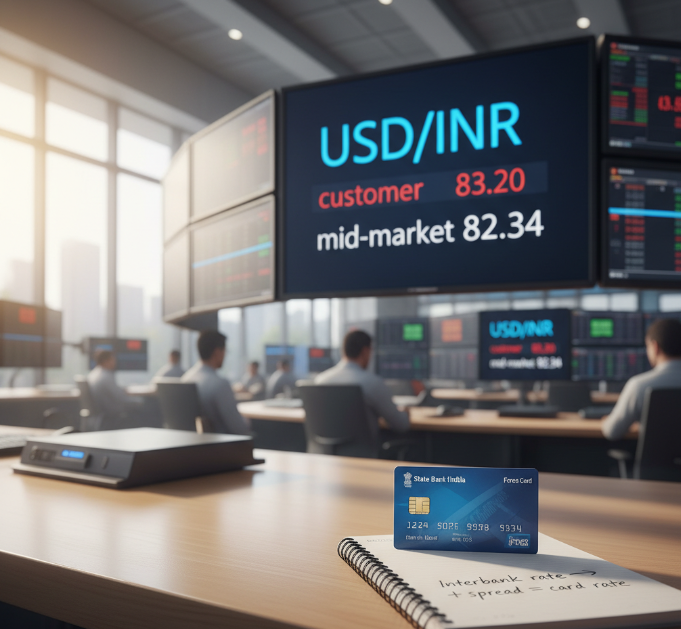
The mid-market rate sets the ideal exchange rate, but banks add a spread for their profit.
Central banks can influence the rate by adjusting market liquidity.
The wholesale rate and currency pairs (e.g., USD/INR) fluctuate with global market conditions.
Global market volatility directly impacts the rates consumers pay at Forex counters.
For example, if the USD to INR rate changes, your card’s rate will likely adjust accordingly, often higher due to the spread added by the bank.
The Impact of Market Fluctuations on Currency Conversion
Currency conversion rates are impacted by economic conditions and market volatility, which affect the SBI Forex Card rate.
Volatility can make conversion rates unpredictable.
Inflation in a country may cause the value of its currency to decrease, impacting exchange rates.
Geopolitical events like wars or trade restrictions can cause rapid depreciation of certain currencies.
Supply and demand directly influences the spot rate for currencies, changing how much you pay.
Economic indicators, such as interest rates, can also shift conversion rates.
For instance, a political event in the Eurozone could cause fluctuations in the Euro exchange rate, affecting the cost when converting from INR to Euro.

Service Charges and Markup Fees on Foreign Exchange Rates
When you use the SBI Forex Card, various fees and charges can affect the final rate you pay for foreign currencies. These additional charges can add up quickly.
Cross-currency markup: A fee charged for converting between different currencies.
GST: A government tax on foreign exchange transactions.
Reload charges: Costs incurred when reloading your card.
Issuance fee: A one-time charge for issuing the card.
Conversion fee: A charge applied when converting one currency to another.
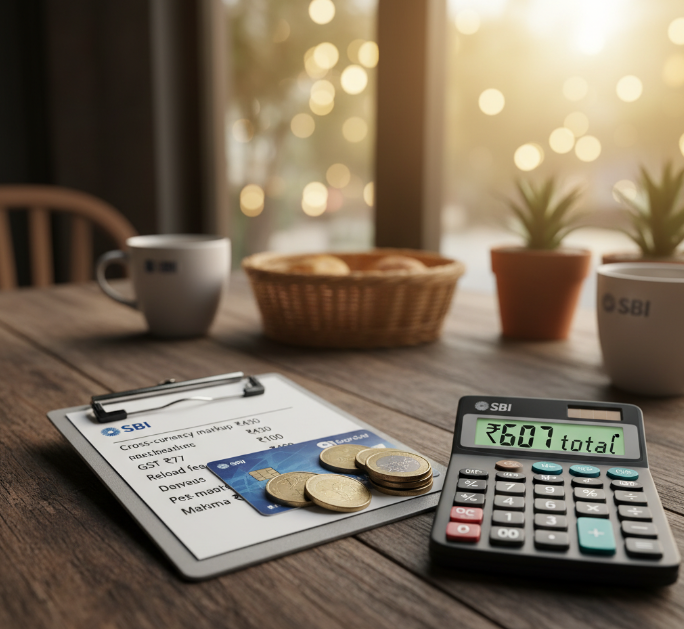
While these fees might seem small individually, they can accumulate quickly, especially when you make frequent transactions. It’s crucial to consider these when calculating the total cost of using your card for international purchases.
Understanding the Role of Transaction Fees in Your Forex Card Cost
Every time you make a transaction, various fees are involved, especially for international transactions. These fees can significantly increase the overall cost of using your SBI Forex Card.
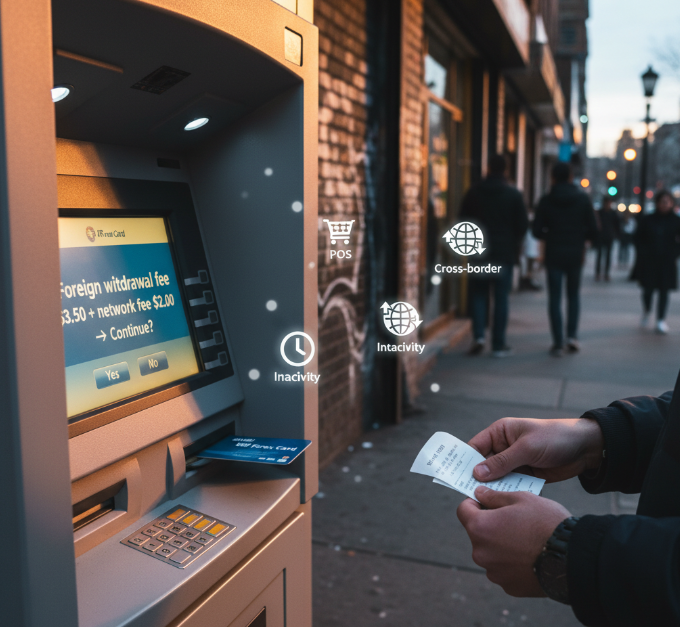
ATM withdrawal fees: While SBI Forex Cards might waive fees for domestic ATM withdrawals, they typically charge for international ATM withdrawals.
Balance enquiry fees: Though minor, frequent balance inquiries can add up.
POS transaction fees: Some merchants might charge extra fees for card payments, particularly for cross-border transactions.
Inactivity fees: If your SBI Forex Card is unused for a long period, a fee may apply.
Cross-border fees: These are applied when you use your card for transactions outside India.
These hidden costs often go unnoticed, so it's essential to account for them when using your card abroad. Even small merchant payments can add up over time, so make sure you’re aware of the full cost of each transaction.
How Exchange Rate Differences Affect Forex Card Fees for Different Currencies
When using a SBI Forex Card, exchange rates vary depending on the currency being exchanged. Understanding these differences can help you manage costs effectively.
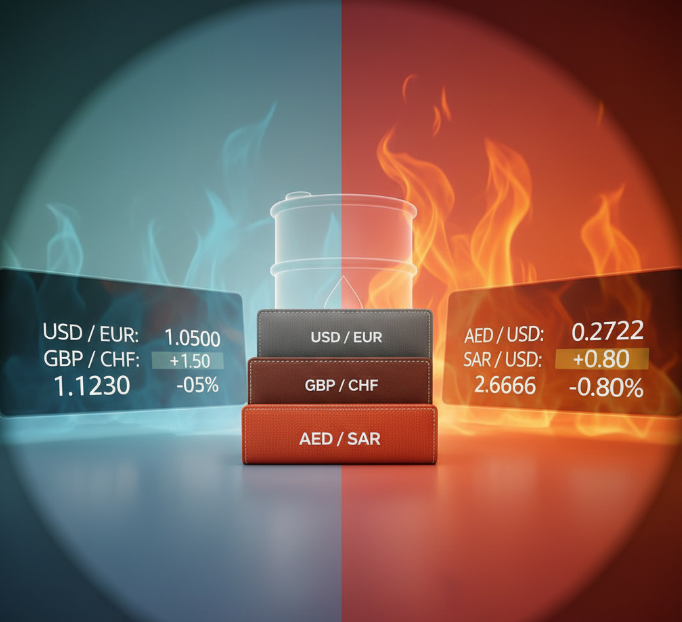
USD and Euro rates: The USD, being the most widely traded currency, tends to have more stable exchange rates. However, the Euro's exchange rate is more susceptible to fluctuations based on European economic policies.
Middle Eastern and Asian currencies: Currencies like the UAE Dirham (AED) and Saudi Riyal (SAR) are often linked to oil prices, causing larger fluctuations.
British Pound and Swiss Franc: These currencies tend to have more stable exchange rates, making them ideal for frequent international transactions.
How Currency Conversion Affects SBI Forex Card Rates
Exchange Rate Impact on Multi-Currency Cards for Businesses
Multi-currency cards like the SBI Vishwa Yatra Card manage multiple currencies in one wallet, offering businesses a streamlined way to handle international payments.
Foreign exchange rates fluctuate constantly, which can cause your transaction fees to increase or decrease depending on when you make a conversion.
Exchange rate volatility can result in unexpected costs, especially for corporate travel or multi-region operations.
When using multi-currency cards, businesses should anticipate potential conversion fees due to fluctuations in the market.
Transaction fees vary depending on the currencies involved in the transaction and can affect the final cost of using the card.
A multi-currency wallet allows you to store funds in several currencies, reducing the need for conversions and providing more flexibility.
The SBI Forex management system offers live rates, helping businesses time their reloads to get the best value.
Expert quote: “Managing multi-currency wallets efficiently is key to ensuring that exchange rates don’t become a barrier to your business’s global growth.” – Fxbee Forex Expert.
How Cross-Currency Transactions Affect the Final Rate
Cross-currency markup applies when converting currencies that don’t involve the USD, increasing the cost compared to direct conversions involving USD.
The conversion fee varies based on the base currency and the target currency, which can result in higher or lower costs for each transaction.
For example, converting AUD to JPY might involve a higher markup fee compared to USD to EUR, due to differences in liquidity and market demand.
Dynamic Currency Conversion (DCC) at Point of Sale (POS) often comes with higher fees than standard conversion rates like interbank rates, so businesses should be cautious.
Checking for interbank rates when making a payment can help businesses get better value for their foreign currency transactions.
Transaction settlement times also affect the rate you get, as the exchange rate is locked based on when the transaction is completed.
Be aware of the currency pair you're dealing with, as it can significantly affect the conversion fee and final rate.
Pro tip: Some multi-currency cards offer more favorable cross-currency rates for commonly traded pairs, such as USD/EUR.
The Buying and Selling Rates: Key Differences for Global Currencies
The buy rate is the price you pay to purchase foreign currency, while the sell rate is what you receive when exchanging it back.
The bid-ask spread is the difference between these two rates. A wide spread means you’ll pay more, as the seller is profiting from that difference.
Currency appreciation can cause the buying rate to shift, making it more expensive to purchase foreign currency.
Major currencies like the British Pound and Swiss Franc typically have narrower spreads due to their stable demand in the market.
Emerging currencies, such as the UAE Dirham, might have wider spreads, resulting in higher costs for businesses when exchanging these currencies.
The cash rate is what you pay for physical currency at a forex counter, which may differ from the TT selling rate used for wire transfers or digital transactions.
Market rates can fluctuate, so it's important to monitor them closely to minimize forex costs, especially for businesses with frequent international dealings.
Understanding the Charges on Your SBI Forex Card
How the Spread Affects the Final Price of Your Forex Card
When you're using a SBI Multi-currency card, the bid-ask spread can make a big difference in the total amount you pay. The difference between the buy rate (what the bank offers) and the sell rate (what you get when converting) is what’s known as the exchange margin. Understanding this can help you better predict costs when using your card for foreign exchange.
The interbank rate is the base rate used to determine the spread.
Currency pairs affect how wide the spread is for different currencies.
Some currencies, like the UAE Dirham or Japanese Yen, often have a larger spread due to lower liquidity in global markets.
SBI Forex cards may have a markup on the buy and sell rates, increasing your overall cost.
Transaction Fees and Markup Fee Breakdown
Let’s break down the costs of your SBI Forex card. Besides the foreign exchange costs, there are a few fees that come into play when loading or using the card.
Issuance fee: A one-time fee when you first get the card.
Reload fee: Charged each time you top up your card.
Cross-currency markup: Applied when you make transactions in a foreign currency.
Transaction charges: Every time you make a payment or withdrawal, there’s usually a small fee.
Card maintenance: Some cards come with annual maintenance charges.
These charges vary based on where and how you use your card. For instance, ATM withdrawals abroad might have different fees than online transactions. Always check the fine print from the Fees and limits page!
GST on Forex and Its Effect on Card Charges
When you’re using your SBI Forex card, it’s important to consider the Goods and Services Tax (GST), which can impact your overall charges. The GST applies to various aspects of forex conversion.
Central GST and State GST are both applicable, depending on the transaction amount.
The taxable value is generally the deemed service value under Rule 32 valuation (not the full amount exchanged).
Different tax slabs apply to foreign exchange purchases, meaning higher amounts may attract higher taxes.
| Currency Pair | Gross Amount (INR) | GST (18%) | Total Cost (INR) |
|---|---|---|---|
| USD/INR | 50,000 | 90 | 50,090 |
| EUR/INR | 30,000 | 54 | 30,054 |
| GBP/INR | 20,000 | 45 | 20,045 |
The tax adds up, so always consider the GST on forex when calculating your overall expenditure.
The Service Charge Impact on Bulk Forex Transactions
For businesses and frequent travelers, the service charge on bulk forex transactions can add up fast. This is especially important when you're dealing with large sums, as the fees for processing and bulk loading can impact your budget.
Volume discounts and corporate rates are available for businesses, making it cheaper to load large amounts.
The processing fee can vary based on the transaction volume, often decreasing for larger amounts.
When you make a significant remittance or load large amounts, consider bulk loading as a way to get better rates.
If you’re making regular or high-volume transactions, it’s worth checking out corporate rates to save on fees.
Hidden Costs: Fees for ATM Withdrawals and Online Payments
Using your SBI Forex card isn’t always free from extra costs. While it’s great for international transactions, there are hidden fees, especially for ATM withdrawals and online payments.
ATM withdrawal fee: This fee is charged whenever you use an international ATM to withdraw cash.
Balance inquiry fee: Even checking your balance abroad may have a small charge.
DCC charges: Dynamic Currency Conversion (DCC) charges can sneak up on you if you're using your card internationally.
Surcharge: Many vendors add a surcharge for foreign card transactions, especially online.
While inactivity fees apply when you leave your card unused for a while, international ATM charges are one of the more expensive hidden costs. Always double-check your card’s ATM withdrawal fee before using it abroad.
Minimize Forex Card Fees with These Simple Tips
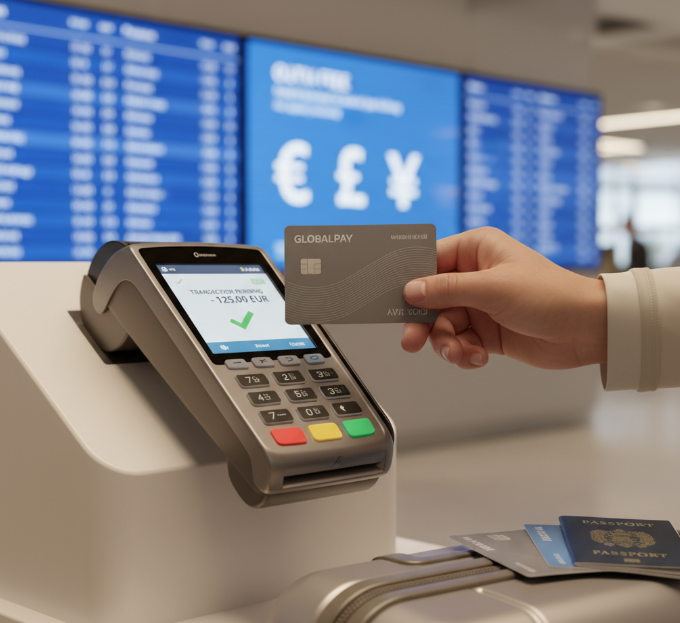
Choosing the Right Forex Card for Your Travel or Business Needs
When it comes to finding the best forex card for your travels or business needs, picking the right one can save you serious cash. It’s all about understanding your options and needs!
Multi-currency cards like the SBI Vishwa Yatra are great for frequent travelers, allowing you to load multiple currencies on one card.
Reloadable cards help you keep your funds flexible—no need to worry about running out of money while on the go.
Watch out for issuance fees and cross-currency markups—they can quickly add up if you’re not careful.
Consider ATM withdrawals—some cards might charge extra for using ATMs abroad.
POS transactions often come with foreign exchange fees, so knowing these details helps you make informed decisions.
How to Use Digital Wallets to Lower Transaction Fees
By using mobile wallets, you can reduce transaction costs and enjoy the benefits of contactless payments wherever you go. Here’s how you can save:
Currency conversion fees are often lower with digital wallets.
Make payments with QR codes—it's easy and typically free of hefty transaction charges.
Using a mobile wallet for international payments avoids high cross-currency markup fees that are commonly charged on traditional forex cards.
Many digital wallets come with foreign exchange tools, making it simple to convert your money at competitive rates.
By integrating digital wallets into your routine, you'll likely avoid some of the extra fees that would normally be attached to other payment methods.
Benefits of Using Mobile Banking for Instant Reloading
With mobile banking apps like YONO SBI, topping up your forex card has never been easier. Here's how you can get the most out of this feature:
Instant top-up options through net banking allow you to reload your card in real-time.
Secure login ensures that your account is always protected when reloading funds.
Your transaction history can be checked immediately via your mobile app, allowing you to track every reload and avoid surprises later.
Real-time balance updates allow for better planning when traveling, ensuring that you don’t overspend while on the move.
This flexibility and speed make it easier for business owners and frequent travelers to manage their funds more effectively and save on unnecessary delays.
Currency Selection and Its Impact on Your Total Costs
Choosing the right base currency is a key factor in minimizing forex card fees. It directly impacts your overall costs. Here's why:
If you hold your funds in a local currency that you frequently use, you can avoid high conversion fees every time you spend.
Pay attention to the markup fee—sometimes, currency conversion can come with a markup, especially for less commonly used currencies.
Keep an eye on Dynamic Currency Conversion (DCC) when making payments abroad. While convenient, it may not always give you the best exchange rate.
The interbank rate is usually the most favorable, so it’s wise to understand the rate your forex card is using and compare it to market rates.
By carefully choosing the base currency and understanding these factors, you can significantly cut down on unnecessary fees and make your forex card a more cost-effective option.
How SBI Forex Card Rates Differ for Various Currencies
Impact of US Dollar and Euro Exchange Rates on Businesses
The USD and EUR are key players in global trade and corporate travel. Exchange rates can make or break the profit margin for businesses dealing in international currencies. Here's how they impact your forex card rates and business operations:
Forex Volatility:
The USD and EUR experience constant fluctuations. Even slight changes can influence your overall transaction fees when converting to or from these currencies.
Example: If you're importing goods priced in USD, fluctuations may affect your margins due to exchange rate shifts.
Transaction Fees:
Forex card providers like SBI may impose higher transaction fees when converting large amounts of USD or EUR, given their high demand and frequent use in cross-border transactions.
Hedging Solutions for Businesses:
Hedging can be useful to lock in favorable exchange rates for the USD or EUR, especially in volatile markets. This can protect businesses from sudden price spikes during foreign exchange.
Corporate Travel & Import-Export:
Companies with frequent corporate travel or import-export operations may see better rates on their multi-currency cards, designed for high-volume, cross-border transactions.
Differences in SBI Forex Card Rates for Middle Eastern and Asian Currencies
The Middle Eastern and Asian currencies such as AED, SAR, SGD, JPY, and THB have unique characteristics that affect their forex card rates. Understanding these differences is crucial for cost-efficient currency management.
Exchange Margin and Markup Fees:
SBI imposes a different exchange margin for currencies like AED or SAR compared to SGD or JPY. Expect cross-currency markups when converting to less common currencies.
Cross-Currency Markup:
The rate you get when converting SGD or JPY on an SBI forex card can include a higher markup than AED or SAR, which may seem subtle but adds up over time, especially for large transactions.
Remittance to the Middle East and Asia:
If you're sending money back to family or business partners in the Middle East or Asia, the exchange rates may not be as favorable, with extra costs associated with remittance services.
How Currencies like the British Pound and Swiss Franc Affect Card Charges
Understanding how GBP and CHF affect your forex card charges is essential for businesses dealing in the UK or Swiss markets. Let’s break it down:
Interbank Rates and Conversion Fees:
GBP and CHF are typically tied closely to interbank rates, so conversion is often cheaper when compared to more volatile currencies. However, the SBI forex card might still charge a higher currency conversion fee depending on the transaction volume.
Loading Charges and Withdrawal Fees:
There’s a loading charge when you top up your card with GBP or CHF. This is usually fixed, but watch out for withdrawal fees when using the card abroad in the UK or Switzerland.
Forex Markup:
SBI Vishwa Yatra cardholders may notice a forex markup that’s somewhat more favorable for GBP or CHF compared to less-traded currencies. This makes these currencies more cost-effective for international travelers or businesses dealing with the UK or Switzerland.
SBI Forex Card Rates vs. Traditional Currency Exchange
Comparing Forex Card Rates with Currency Notes Exchange
Exchange rate fluctuation: The rates you get with a forex card are usually more competitive than the exchange rates for cash at a currency exchange counter.
Transaction fees: Currency exchange at a counter involves not only the exchange rate but also hefty transaction fees. Forex cards, however, come with clear, upfront fees.
Markup: Forex cards typically have lower markup compared to cash exchange, especially during off-peak periods.
Buy vs. Sell rate: You often lose more money on the buy and sell rates when you exchange cash, while forex cards are better at minimizing these differences.
Currency conversion: Forex cards use favorable rates for conversion, whereas cash exchange counters can apply unfavorable rates when converting back into local currency.
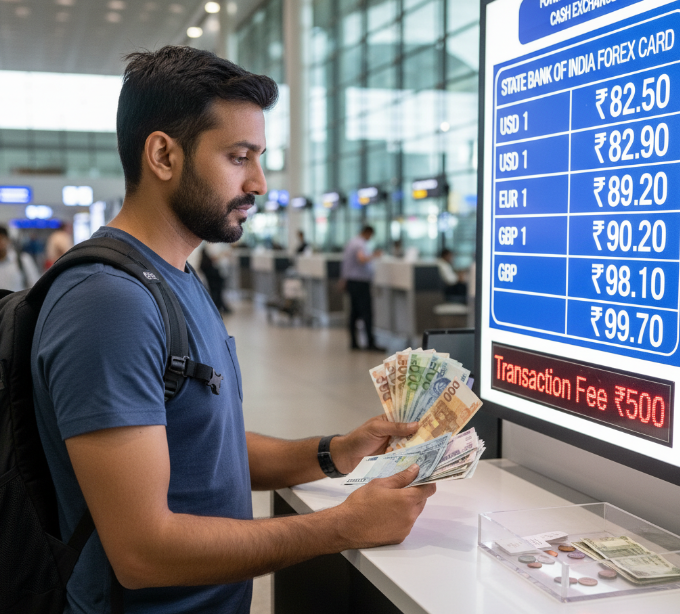
"Forex cards allow businesses to lock in competitive rates ahead of time, making them a safer and cheaper option than traditional cash exchange." – Fxbee Financial Expert
Multi-Currency Cards vs. Traveler’s Cheques for International Payments
Security: Multi-currency cards are reloadable and more secure than traveler’s cheques, as they are linked to your account and can be easily blocked in case of theft.
Acceptance: Multi-currency cards are accepted at most global ATMs and POS systems, whereas traveler’s cheques are often a hassle to use abroad.
Reloadable convenience: Unlike traveler’s cheques, multi-currency cards can be reloaded online, allowing for instant access to multiple currencies.
Issuance fee: Traveler’s cheques usually come with a higher issuance fee, while multi-currency cards have minimal or no upfront costs for issuing.
Digital payments: Multi-currency cards are compatible with digital wallets, offering an additional layer of flexibility and ease of use in online payments.
"Multi-currency cards are the future of international payments. They’re secure, flexible, and accepted nearly everywhere. Traveler’s cheques are outdated and often create more problems than solutions." – Fxbee Product Manager
Prepaid Cards vs. Debit Cards: Which is Better for International Use?
ATM withdrawals: Prepaid cards often come with lower ATM withdrawal fees compared to debit cards, which may charge higher foreign transaction fees.
Foreign transaction fee: Debit cards generally charge a higher foreign transaction fee than prepaid cards, making them less ideal for international spending.
Dynamic currency conversion: Prepaid cards usually offer better protection against dynamic currency conversion, saving you from surprise fees.
Card balance management: Prepaid cards allow you to load specific amounts, so you can control your spending, whereas debit cards are linked to your primary bank account and can incur unexpected charges.
POS transactions: Both prepaid and debit cards work well for POS transactions, but prepaid cards offer an added level of flexibility and control for international purchases.
"When managing expenses abroad, prepaid cards give you peace of mind. They allow better control over your budget compared to debit cards, which can lead to unforeseen charges." – Fxbee Financial Strategist
When it comes to managing international payments, knowing SBI Forex Card rates is like having the right map before venturing into unfamiliar territory. A little preparation can help you avoid unnecessary fees and surprise charges. Whether you’re traveling for business or leisure, understanding exchange rates, buying and selling rates, and those pesky transaction fees will give you peace of mind, ensuring you’re getting the best possible deal on your international purchases.
Here are a few simple tips to help you get the most out of your SBI Forex Card:
Always check live exchange rates before making a transaction.
Keep an eye on service charges and markup fees.
Reload your card using mobile banking for convenience.
If you’re comparing bank card pricing with the broader market, start by understanding how sbi forex rates are typically published, then learn to read the forex exchange rate and the forex spread that creates the gap between mid-market quotes and what you actually pay. And if you’re promoting travel money or trading products, you can also explore forex cashback rebate models or join our forex affiliate program to earn commissions with transparent tracking. For help, reach out to FXBee customer support.
In the end, staying informed about SBI Forex Card rates isn’t just about dodging fees—it’s about taking control of your money. Stay updated, and don’t hesitate to reach out to your bank for more information. A little knowledge now can save you a lot in the future.
References
State Bank Multi-Currency Foreign Travel Card (SBI Travel Card) - https://www.sbitravelcard.com/
Fees and limits - SBI Travel Card - https://www.sbitravelcard.com/fees-and-limits/
Fees & Limits PDF - SBI Travel Card - https://www.sbitravelcard.com/media/227771/fees-limits.pdf
SBI Travel Card FAQs - https://www.sbitravelcard.com/faqs/
State Bank Foreign Travel Card - SBI Personal Banking - https://sbi.bank.in/web/personal-banking/state-bank-foreign-travel-card
Step-by-step process for loading Foreign Travel Card through YONO Lite (PDF) - https://sbi.bank.in/documents/16012/80943/Step%2Bby%2BStep%2BProcess%2Bfor%2BLoading%2BYONO%2BLITE.pdf
Dynamic Currency Conversion (DCC) explained - Visa - https://www.visa.com.sg/travel-with-visa/dynamic-currency-conversion.html
CBIC GST Valuation Rules (Rule 32 overview) - https://cbic-gst.gov.in/valuation-rules.html
CGST Rules Rule 32 - CBIC tax repository - https://taxinformation.cbic.gov.in/content/html/tax_repository/gst/rules/cgst_rules/active/chapter4/rule32_v1.00.html
Interbank exchange rate definition - Wise - https://wise.com/us/blog/interbank-exchange-rate-definition
FAQ
What are SBI Forex Card Rates Today?
SBI Forex Card rates change based on market conditions and currency fluctuations. You can check live rates through SBI's online banking or customer portal. Staying updated helps you make the best choices for your transactions.
How Do SBI Forex Card Rates Compare with Other Currency Exchange Options?
SBI Forex cards often have better rates than currency exchange options like traveler’s cheques or cash.
Forex cards usually come with lower transaction fees compared to cash exchanges.
What Factors Affect SBI Forex Card Rates?
These elements play a major role in determining the final exchange rate for your transactions.
Currency fluctuations
Markup fees from the bank
Transaction and service charges
How Are SBI Forex Card Fees Calculated?
Understanding these fees helps you plan your expenses better.
Currency conversion charges
Service fee markup
Reload and usage fees
How Can I Minimize the Impact of SBI Forex Card Rates on My Expenses?
By staying informed and using digital tools, you can avoid unnecessary charges.
Check live exchange rates regularly
Load funds when rates are favorable
Use multi-currency features to avoid repeated conversions
How Do SBI Forex Card Rates Affect Currency Conversion for Global Currencies?
Make sure to check the conversion rates before transacting to avoid hidden costs.
Rates vary for currencies like USD, EUR, GBP, and AED
Different spreads and markups apply depending on currency pair
Can I Reload My SBI Forex Card Anytime, and Does It Affect the Rates?
Be strategic about when you load funds to take advantage of the best rates.
Yes, you can reload anytime via SBI channels
Rates may differ depending on the time you reload
Are There Any Hidden Charges with SBI Forex Card Rates?
It's important to be aware of these potential charges before making a transaction.
ATM withdrawal fees
Balance inquiry fees
Cross-currency markup
How Does SBI Forex Card Handle Cross-Currency Transactions?
Check the conversion rates and fees before making cross-currency transactions to avoid surprises.
Cross-currency transactions may include additional markups
Conversion might happen via a base currency depending on card setup
How Can I Use the SBI Forex Card for Online Payments?
It’s a convenient way to pay abroad, but always check for additional charges before using it online.
Use it like a prepaid card for international online purchases
Some merchants may add extra charges or use DCC